Guides · Lift height
Whether you’re correcting a leg length discrepancy or simply wondering what’s physically possible, the question comes down to the same engineering: how much height can a shoe lift add? The practical answer depends on where the lift goes. An insert placed inside the shoe tops out around 1/4″ to 3/8″ before it ruins the fit; a lift built into the sole itself comfortably reaches a full 1″ and can go beyond that in 1/4″ increments when the shoe allows it. In this guide we break down the real limits by build type and shoe type, explain why large corrections are added gradually, and cover the stability trade-offs nobody mentions.
Height Limits by Lift Type: The Quick Table
| Lift type | Practical height limit | Best for |
|---|---|---|
| In-shoe heel insert (drugstore) | ~1/4″ | Testing a small correction temporarily |
| Lift built inside the sole | Up to 1″ in most shoes | Invisible, permanent everyday correction |
| Sole build with added increments | 1″ + additional 1/4″ steps | Larger discrepancies; boots and sneakers |
| External build-up on the outsole | 2″+ in the right shoe | Big corrections where concealment matters less |
Why Inserts Hit Their Limit So Fast
Anything you put inside a shoe steals room from your foot. Past about a quarter inch, an insert lifts your heel out of the heel cup, your foot starts sliding, and the shoe becomes unstable — the correction creates a new problem. That’s the fundamental reason professional lifts are built into the sole instead: the interior of the shoe stays exactly as the manufacturer made it, no matter how tall the correction is.
How We Fit a Full Inch (or More) Into a Normal-Looking Shoe
Our technicians split the sole of your shoe and bond precisely measured lift material inside the split, then finish the sidewall so the shoe keeps its original look. Standard builds run from 1/8″ to 1″, and when a discrepancy is larger than an inch we add height in 1/4″ increments beyond that. How well a tall lift disappears depends on the shoe:
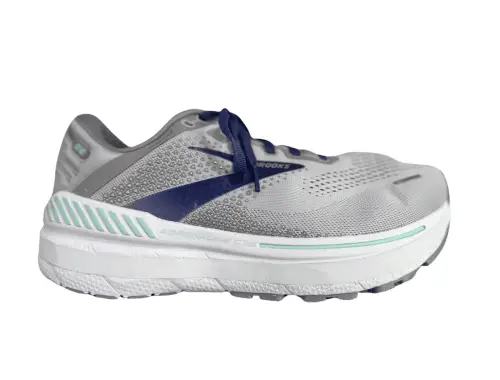
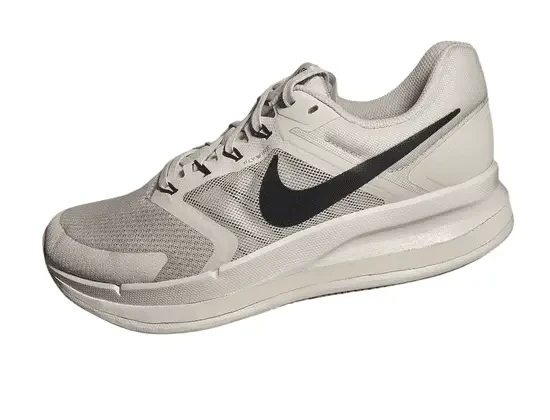
- Sneakers and boots hide the most height — their thick soles absorb even a 1″ correction without looking modified.
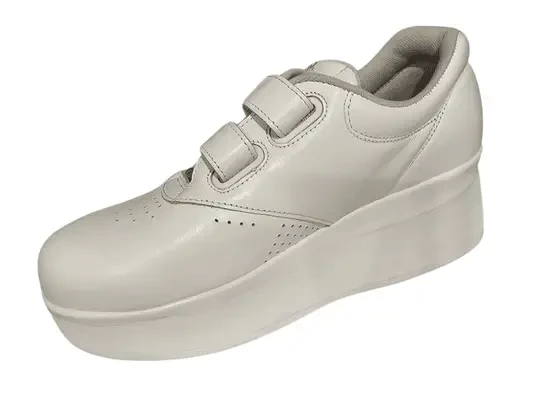
- Dress shoes conceal moderate corrections well; very tall builds on a thin sole become visible sooner.
- Sandals and thin-soled shoes have the least material to work with and the lowest practical ceiling.
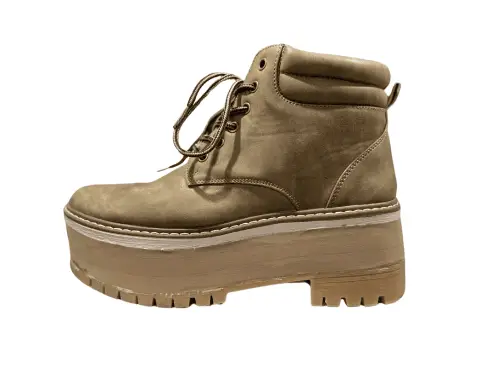
Our shoe-by-shoe breakdown of which shoes can be modified with a lift covers each category in detail, and the inside vs outside shoe lifts comparison explains when a correction moves to the outside of the sole.
Why Big Corrections Are Built Gradually
If you’ve had a leg length difference for years, your pelvis, spine, and muscles have adapted to it. Correcting the full difference overnight often feels worse, not better — like someone re-leveled the floor under one foot. That’s why the standard approach for larger discrepancies is gradual: start with a partial correction, let your body adjust for a few weeks, then step up in 1/4″ increments until you reach the target height. Clinical guidance from sources like the American Academy of Orthopaedic Surgeons treats correction size and pacing as something to match to symptoms, not a race to the full measurement (AAOS OrthoInfo).
Not sure what your target height is? Start with our 9-step at-home leg length discrepancy test and height guide — it walks you through measuring the difference before you order.
Stability Trade-Offs: What Changes as a Lift Gets Taller
Height is never free. As a lift gets taller, three things need managing:
- Ankle leverage. A taller platform gives your ankle more leverage to roll. Well-built lifts counter this by flaring the base slightly wider than the original sole, keeping the footprint stable.
- Weight. More material means a heavier shoe. Our honeycomb upgrade ($9.99) hollows the lift material in a honeycomb pattern, cutting weight noticeably while keeping full support — worth it on any correction above about 1/2″.
- Sole flexibility. A solid block of lift material stiffens the forefoot. Proper shaping (and the honeycomb build) preserves a natural walking roll.
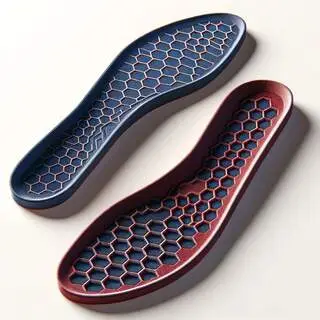
This is exactly why a professionally built lift outperforms stacked inserts at every height above the smallest corrections: the trade-offs are engineered for, not ignored.
What Does a Taller Lift Cost?
Height is the main driver of price. Lifts from 1/8″ to 1″ run $64.99–$89.99 with free shipping both ways, and each additional 1/4″ above 1″ adds $9.99. The complete price list by height is on our pricing page. Every order is custom-fitted to your measurement and backed by a 100% money-back guarantee — and for the full picture on when and why lifts are used, see our complete guide to shoe lifts for leg length discrepancy.
Frequently Asked Questions
What’s the maximum height a shoe lift can add?
Inside the shoe: about 1/4″ before fit problems start. Built into the sole: 1″ is routine, with additional 1/4″ increments possible beyond that. External builds on suitable shoes — especially boots — can exceed 2″.
Will a 1-inch lift be obvious?
In a sneaker or boot, usually not — the existing sole thickness absorbs it. On a thin-soled dress shoe, a full inch is harder to conceal, which is why shoe choice matters for large corrections.
Should I correct my full leg length difference at once?
Usually not if the difference is large or long-standing. Starting with a partial correction and stepping up gradually is the standard approach; your doctor or physical therapist can advise your starting height.
Does a taller lift wear out faster?
No — the lift becomes a structural part of the sole and wears like the sole itself. The materials don’t compress the way foam inserts do.
Know your height? Get it built right. Every lift is custom-fitted in exact 1/8″ and 1/4″ increments, shipping is free both ways with a prepaid USPS label, and every order carries a 100% money-back guarantee. Place your order today.