Guides · LLD basics
Free USPS shipping both ways · About 3 days in the workshop(631) 508-0810
If you have ever felt a nagging ache in your hip after a long walk, noticed that your shoes wear unevenly, or been told by a doctor that one leg is shorter than the other, you are dealing with something called leg length discrepancy (LLD). It is far more common than most people realize — medical research estimates that up to 35 percent of adults have a measurable difference between the length of their legs — and when that difference becomes significant, it can change the way your entire body moves and feels.
At Exclusive Shoe Lifts in Reading, PA, we have spent years helping people regain their balance, comfort, and confidence through precision-crafted orthopedic shoe lifts. In this guide we will walk you through what leg length discrepancy actually is, what causes it, how to recognize the symptoms, and — most importantly — the practical, non-surgical solution that has helped hundreds of our customers alleviate pain when they walk and get back to the activities they love.
What Is Leg Length Discrepancy?
Leg length discrepancy is a condition in which your two legs are not the same length. The medical community also calls it limb length inequality or anisomelia. While a small difference of a few millimeters is normal and usually harmless, a discrepancy that reaches 10 millimeters (roughly three-eighths of an inch) or more can start creating real problems throughout your musculoskeletal system.
There are two distinct types, and understanding the difference matters for choosing the right treatment:
Structural Leg Length Discrepancy
This is an actual, measurable difference in bone length. Either the femur (thighbone) or the tibia (shinbone) on one side is physically shorter than on the other. Structural discrepancies show up clearly on X-rays and are the type most commonly corrected with shoe lifts.
Functional Leg Length Discrepancy
In this case the bones may be equal in length, but something else — tight muscles, a tilted pelvis, joint contractures, or scoliosis — makes the body behave as if one leg is shorter. Treatment usually focuses on addressing the underlying muscular or skeletal imbalance, sometimes alongside a temporary lift.
Common Causes: Why Is One Leg Shorter Than the Other?
Leg length discrepancy can develop at any age and for a wide range of reasons. Here are the causes our customers encounter most often:
Hip Replacement Surgery
One of the most frequent reasons adults develop a noticeable discrepancy is total hip replacement. During surgery the joint space is restored and soft tissues are re-tensioned, which can leave one leg feeling longer or shorter than it did before. Some patients report feeling uneven within weeks of their procedure, and many orthopedic surgeons recommend a shoe lift as the first-line, non-invasive solution while the body adjusts — or as a permanent correction when the difference persists.
Fractures and Trauma
A broken femur or tibia that heals in a shortened or overlapping position (a condition called malunion) is the single most common acquired cause of LLD in adults. Even properly treated fractures can result in slight shortening once the bone remodels.
Congenital Conditions
Some people are simply born with legs of different lengths. Conditions like proximal femoral focal deficiency (PFFD), where the upper femur is malformed or missing, create discrepancies that range from mild to severe.
Bone Diseases and Infections
Osteomyelitis (bone infection), bone tumors, and growth-plate damage during childhood can interrupt normal bone development, leaving one leg permanently shorter.
Degenerative Joint Conditions
Osteoarthritis of the hip or knee gradually narrows the joint space on one side, effectively shortening that leg over time. Knee replacement, like hip replacement, can also alter limb length.
Symptoms: How Your Body Tells You Something Is Off
A leg length discrepancy does not always announce itself with dramatic pain. The symptoms tend to creep in gradually, and many people live with them for years before connecting the dots. Watch for these warning signs:
- Uneven gait or limping — You may compensate by toe-walking on the shorter side or dipping the hip on each step.
- Chronic lower back pain — Unequal leg lengths tilt the pelvis, which puts asymmetric stress on the lumbar spine. We cover this in depth in leg length discrepancy and back pain.
- Hip pain on one or both sides — The hip joint on the longer leg absorbs extra impact, while the shorter side strains to reach the ground.
- Knee or ankle pain — Abnormal gait mechanics overload joints that were never designed to bear uneven forces.
- Fatigue when walking — Your muscles work harder to stabilize an unbalanced frame, draining energy faster than normal.
- Uneven shoe wear — Check the soles of your shoes. If one side wears down noticeably faster, your body may be compensating for a discrepancy.
- Visible tilt in the hips or shoulders — Stand in front of a mirror. If your belt line tilts or one shoulder drops, LLD may be the underlying cause.
- Functional scoliosis — Over time, a pelvic tilt from uneven legs can create a curvature in the spine that disappears when the discrepancy is corrected.
If any of these sound familiar, the first step is getting a proper measurement. Your doctor can use a clinical block test (standing on calibrated blocks until the pelvis levels) or order a scanogram X-ray for precise bone-length measurements.
Why Ignoring It Can Make Things Worse
It is tempting to dismiss a half-inch difference as “no big deal,” but research suggests otherwise. Over months and years, even a moderate discrepancy accelerates wear on your joints. Studies have found a statistically significant link between LLD and progressive knee osteoarthritis, and the association with chronic lower back pain is widely documented in clinical practice. The longer the imbalance persists, the more your body compensates — and compensatory patterns tend to create new problems in areas that were perfectly healthy before.
The good news? Correcting the discrepancy is usually straightforward, and surgery is rarely needed for differences under two inches.
Treatment Options for Leg Length Discrepancy
Treatment depends on the size of the discrepancy and how much it affects your daily life. Here is how the options stack up:
| Discrepancy Size | Typical Treatment |
|---|---|
| Less than ¼ inch (6 mm) | Often no treatment needed; monitor for symptoms |
| ¼ to ½ inch (6–12 mm) | Internal heel lift or insole placed inside the shoe |
| ½ to 1½ inches (12–38 mm) | Custom orthopedic shoe lift — sole modification (our specialty) |
| Greater than 2 inches (50 mm+) | Combination of shoe lift and possible surgical evaluation |
For the vast majority of adults living with a discrepancy between a quarter inch and two inches, a professionally built orthopedic shoe lift is the most effective, safest, and least disruptive solution available.
The Purpose of Shoe Lifts — and Why Quality Matters
So what is the purpose of shoe lifts? In simple terms, a shoe lift raises the sole on the shorter leg to level the pelvis, restore a natural gait, and redistribute force evenly across both sides of the body. When the correction is accurate, the results can feel immediate: reduced pain in the back and hips, smoother walking, less fatigue, and better posture.
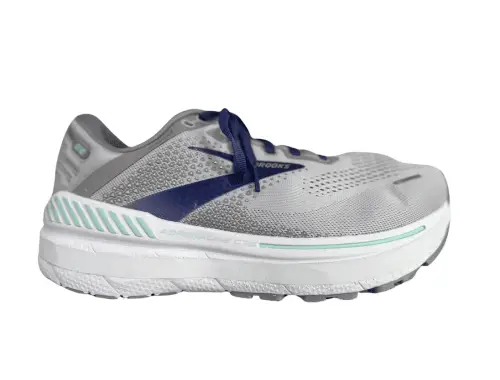
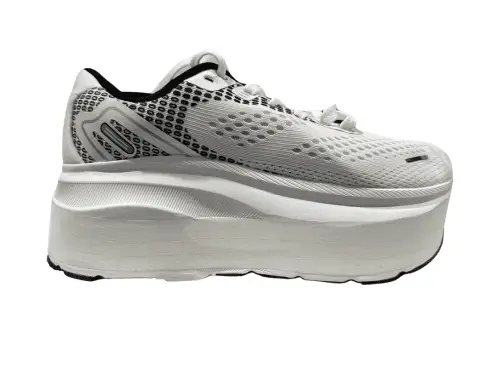
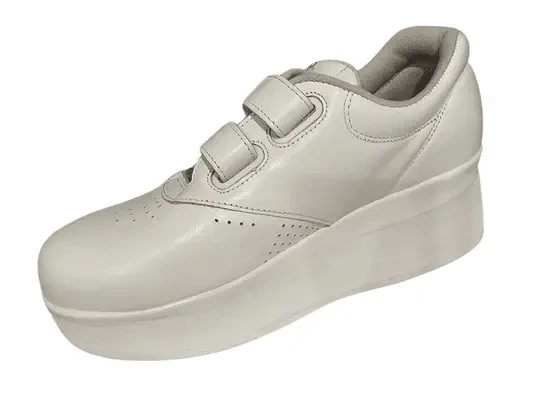
But not all shoe lifts are created equal. Over-the-counter foam inserts placed inside a shoe can only add so much height before the shoe becomes too tight, the heel slips out, or the ankle feels unstable. For any correction beyond roughly half an inch, a permanent sole modification — where the lift is built directly into the shoe — delivers a far superior result in terms of comfort, safety, and appearance.
How Exclusive Shoe Lifts Builds Your Custom Lift
Our process is designed to give you a medically precise correction while keeping your shoe looking and feeling like it did when you bought it:
- We split the sole. Using specialized tools, we carefully separate the outsole from the midsole of your shoe without damaging the upper.
- We insert a foam material lift. A high-density foam wedge, cut to the exact thickness prescribed for your discrepancy, is layered into the sole cavity. The material is lightweight, durable, and designed to withstand daily impact.
- We glue and seal everything. Industrial-grade adhesives bond the layers together permanently, then the outsole is reattached.
- We preserve the original look. Color matching, edge finishing, and careful craftsmanship ensure your shoe retains its original color and shape throughout the entire process. Most people cannot tell the shoe has been modified.
This method is fundamentally different from simply gluing a rubber block onto the bottom of a shoe — a shortcut that looks bulky, wears unevenly, and can actually make your gait worse. By integrating the lift inside the sole structure, we create a result that is both medically effective and visually seamless.
Ready to walk without pain again?
Exclusive Shoe Lifts serves customers nationwide from our workshop in Reading, PA. Send us your shoes and your prescription, and we will return them looking like new — with the correction built right in.
Visit ExclusiveShoeLIfts.com to Place Your Order →
Shoe Lifts After Hip Replacement: What You Need to Know
If you have recently had a hip replacement and feel like one leg is shorter than the other, you are not imagining it. Surgeons sometimes intentionally lengthen the operative leg slightly to improve joint stability and reduce the risk of dislocation. In many cases the body adjusts over eight to twelve weeks as muscles and soft tissues relax into their new positions. But when the difference persists beyond that window — or when it was already present before surgery — a custom shoe lift is the standard recommendation.
Here is what makes post-hip-replacement lifts unique:
- Your surgeon or physical therapist can give you the exact measurement to correct, often based on post-operative X-rays.
- Full-sole lifts (rather than heel-only lifts) are generally better tolerated because they support the entire foot evenly.
- Starting with a slightly smaller correction and increasing gradually can help your body adapt without discomfort.
At Exclusive Shoe Lifts we work with customers recovering from hip and knee replacement every week. We follow your doctor’s specifications to the millimeter and can adjust the lift later if your needs change.
Living With a Leg Length Discrepancy: Practical Tips
While a custom shoe lift does the heavy lifting (no pun intended), these complementary strategies can help you get the most out of your correction:
- Strengthen your core and glutes. Exercises like glute bridges, planks, and clamshells help stabilize the pelvis and reduce compensatory strain.
- Stretch your hip flexors. The muscles on the shorter side often tighten over time. Gentle stretching keeps them supple.
- Choose supportive footwear. Shoes with firm midsoles and good heel counters work best with an integrated lift. Avoid very flexible or flat shoes that undermine the correction.
- Get periodic reassessments. Bodies change. Weight fluctuations, aging, and activity levels can all shift your alignment, so check in with your healthcare provider annually.
Frequently Asked Questions About Leg Length Discrepancy
How do I know if I have a leg length discrepancy?
The most reliable way is a clinical exam with a healthcare professional. They can measure your legs using the block method or order a scanogram X-ray. At home, you might notice uneven shoe wear, a persistent limp, or recurring pain on one side of the body.
Can shoe lifts really alleviate pain when I walk?
Yes. When the root cause of your pain is biomechanical imbalance from unequal leg lengths, correcting that imbalance with a properly built shoe lift can significantly reduce or eliminate hip, knee, and lower back pain. Many of our customers describe the difference as life-changing.
What is the difference between a heel lift and a full-sole shoe lift?
A heel lift raises only the heel, which can pitch the foot forward and feel unstable for corrections over about half an inch. A full-sole shoe lift raises the entire foot evenly, providing better balance, comfort, and gait correction — especially for larger discrepancies.
Will my shoe look different after the modification?
When done correctly, the modification is nearly invisible. At Exclusive Shoe Lifts we split the sole and integrate the lift internally, then restore the shoe’s original color and shape. Most people never notice the change.
How long does it take to get my shoes back?
Turnaround depends on current volume, but we pride ourselves on fast, reliable service. Contact us directly through our website for current timelines.
Do I need a prescription for a shoe lift?
While a prescription is not always required, we strongly recommend getting a measurement from your doctor or physical therapist. An accurate measurement ensures the lift is the right height and delivers the full therapeutic benefit.
Why Choose Exclusive Shoe Lifts in Reading, PA?
There are a handful of companies in the United States that specialize in orthopedic shoe modifications — and we believe the details set us apart:
- Years of dedicated experience focused exclusively on shoe lifts for leg length discrepancy.
- Precision craftsmanship — every lift is built by hand using the split-sole method for a seamless, integrated result.
- Works with any shoe style — sneakers, dress shoes, boots, sandals. You send us the shoes you already love, and we return them corrected.
- Nationwide service from Reading, PA — ship your shoes to us from anywhere in the country, and we will ship them back.
- Customer-first approach — we communicate with you at every step and follow your doctor’s specifications exactly.
Living with a leg length discrepancy does not have to mean living with pain. Whether your condition is the result of a hip replacement, a childhood injury, or something you were born with, a custom orthopedic shoe lift from Exclusive Shoe Lifts can help you stand taller, walk easier, and feel better — one step at a time.
Take the first step toward balanced, pain-free walking.
Contact Exclusive Shoe Lifts today →
Based in Reading, PA · Serving customers nationwide
Ready to walk level again?
Order online, mail your shoe with our prepaid label, and get it back in about a week. You only pay once the work is done.