Guides · Lift types
Free USPS shipping both ways · About 3 days in the workshop
(631) 508-0810
Order your lift
West Reading, PA 19611 © 2026 Exclusive Shoe Lifts LLC. All rights reserved. Terms of service · Privacy policy Shoe lifts are not a substitute for medical advice. Talk to your doctor or physical therapist about the right correction for you. CallOrder your lift · from $64.99
Guides · Lift types
December 26, 2025 · 4 min read
Orthopedic Shoe Lifts Precise shoe modifications to correct leg length discrepancies Order NowInside vs Outside Shoe Lifts: 9 Powerful Pros & Cons
Inside vs outside shoe lifts is one of the biggest questions people have when one leg is shorter than the other. The wrong lift style can feel tight, unstable, or awkward—especially after a long day on the feet. The right lift style can help the body feel more level and reduce stress in the lower back, hips, and knees. Inside vs outside shoe lifts may also depend on daily use, like work boots, long shifts, or lots of walking.
This guide explains what inside and outside lifts are, how they feel, and how to choose the option that gives the best comfort and stability.
Inside vs Outside Shoe Lifts: What’s the Difference?
What are inside shoe lifts?
Inside shoe lifts (also called internal lifts) sit inside the shoe. Some are small heel lifts placed under the heel, and others are full-length lifts that support more of the foot. Many are removable, which makes them easy to test.
What are outside shoe lifts?
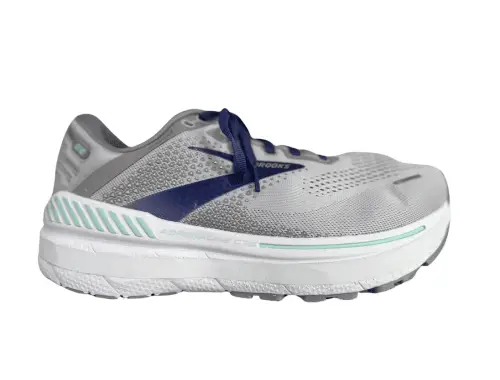
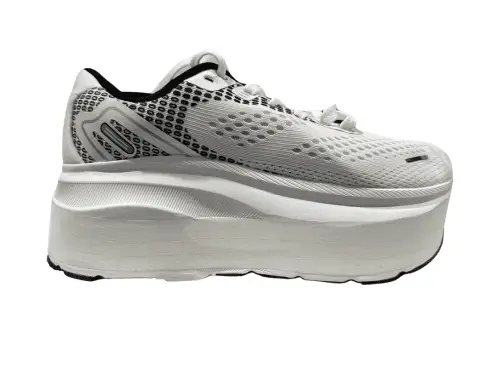
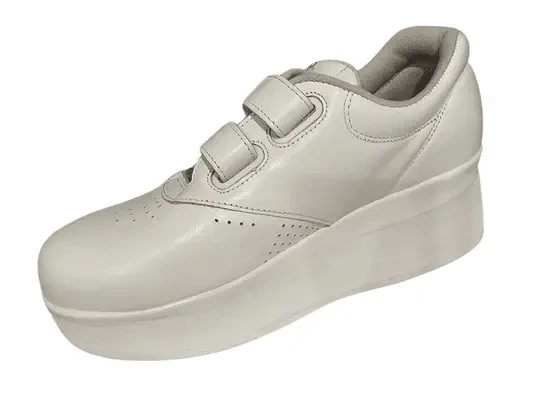
Outside shoe lifts (also called external lifts) are built onto the outside of the shoe, usually by adding material to the sole. This is a more permanent solution and is often the most stable option for larger corrections.
Why Lift Placement Changes Comfort
Lift placement matters because it affects shoe fit and balance.
When a lift sits inside the shoe, it takes up space where the foot normally sits. That can lead to:
tightness across the top of the foot
heel slipping (especially in slip-ons)
rubbing or blisters
toes feeling crowded
With an outside lift, the foot usually keeps its normal space inside the shoe. For many people, that makes walking feel more natural—especially when more height is needed.
Inside vs Outside Shoe Lifts: 9 Differences That Matter
1) Best for small vs larger lift heights
Inside lifts are usually best for small corrections. Outside lifts are often better for moderate to larger corrections because they stay stable and don’t crowd the shoe.
2) Shoe fit
Inside lifts can make a shoe feel tighter. Outside lifts keep the shoe fit more normal inside.
3) Stability while walking
Inside lifts can shift or tilt in soft, flexible shoes. Outside lifts are usually more stable because the entire shoe is raised, not just the foot inside.
4) Heel slipping
Inside lifts can cause heel slip when the heel is raised too much. Outside lifts often reduce that problem because the heel stays seated normally.
5) Natural walking feel
Heel-only inside lifts can feel like standing on a wedge. Outside lifts often feel smoother because the shoe is raised as a whole.
6) Which shoes work best
Inside lifts work best in deeper shoes with removable insoles. Outside lifts work well with many sneakers, boots, and work shoes, as long as the sole can be built up safely.
7) Appearance
Inside lifts are invisible from the outside. Outside lifts can be seen, but they can be shaped and blended to look clean and natural. Inside vs outside shoe lifts is a common decision for people with leg length discrepancy who want more even posture.
8) Durability
Inside lifts can compress and wear down over time. Outside lifts can be built with strong materials that hold up better for daily wear.
9) Cost and convenience
Inside lifts are often cheaper and quick to try. Outside lifts usually cost more because they require skilled work, but they can be a better long-term solution for comfort and stability. At Exclusive Shoe Lifts, both builds fall in the same $64.99–$89.99 price range.
When Inside Shoe Lifts Make the Most Sense
Inside lifts are a good choice when the height difference is small, the shoe has enough depth, and the person wants something removable. They are also helpful for testing comfort before committing to a permanent build.
A simple tip: full-length internal lifts often feel more balanced than heel-only lifts because they support more of the foot.
When Outside Shoe Lifts Are Often the Better Choice
Outside lifts are often the better choice when more height is needed, when the shoe feels tight with inserts, or when the person wants the most stable walking feel for daily life or work.
Outside lifts can also be shaped to reduce the “clunky” look and feel. A professional build can include:
a tapered front for smoother steps
a squared back for stability
traction that helps reduce slipping
Inside vs Outside Shoe Lifts: How to Choose the Right Option
A simple way to decide:
Choose inside lifts if the goal is a small change and removable flexibility.
Choose outside lifts if the goal is stability, comfort, and a natural feel—especially for larger corrections.
If pain increases after adding a lift, it usually means one of these is happening:
the lift height is too much too fast
the shoe is too soft or flexible
the lift type needs to change (heel-only to full-length, or inside to outside)
Shoes That Work Best With Lifts
Inside vs outside shoe lifts is easier to decide once the lift height and shoe style are known. Even a great lift won’t feel right in the wrong shoe — not sure if your pair qualifies? Here’s our full shoe-by-shoe modification guide. For both options, look for:
a firm, non-twisty sole
a strong heel counter (the back of the shoe feels firm)
good traction
laces or secure straps
Avoid very soft foam soles for bigger corrections because they can feel unstable and may wear unevenly faster.
How Exclusive Shoe Lift Helps With Custom Lift Modifications
If the goal is a stable long-term solution, Exclusive Shoe Lift provides professional shoe lift modifications by mail. Customers can ship their shoes in, have the lift built to the requested height, and receive them back ready to wear.
Keep reading

Back pain
Leg Length Discrepancy and Back Pain: Will a Shoe Lift Help?
Lift height
How Much Height Can a Shoe Lift Add? Limits by Shoe Type
Recovery
Shoe Lifts After Knee Replacement: Fixing Leg Length Difference in Recovery
Ready to walk level again?
Order online, mail your shoe with our prepaid label, and get it back in about a week. You only pay once the work is done.
Order your liftCall (631) 508-0810Custom orthopedic shoe lifts, built into the shoes you already love. Workshop in West Reading, Pennsylvania — serving customers nationwide by mail.
Order
Learn
Contact
337 S 3rd AveWest Reading, PA 19611 © 2026 Exclusive Shoe Lifts LLC. All rights reserved. Terms of service · Privacy policy Shoe lifts are not a substitute for medical advice. Talk to your doctor or physical therapist about the right correction for you. CallOrder your lift · from $64.99